Why Steel Price Keeps Rising in India — And Why It Also Falls
A clear, practical guide to what actually drives steel price movements in India — from raw material inputs and energy costs to China's influence, demand cycles, and import parity — with a checklist to help you track what matters.
Steel moves daily. For current TMT, MS Pipe, Structural, and Wire Rod rates — contact us directly.
Request Current Rate24-Hour Response Join WhatsApp ChannelDaily Rate Updates Call: 9200049000Direct Sales Line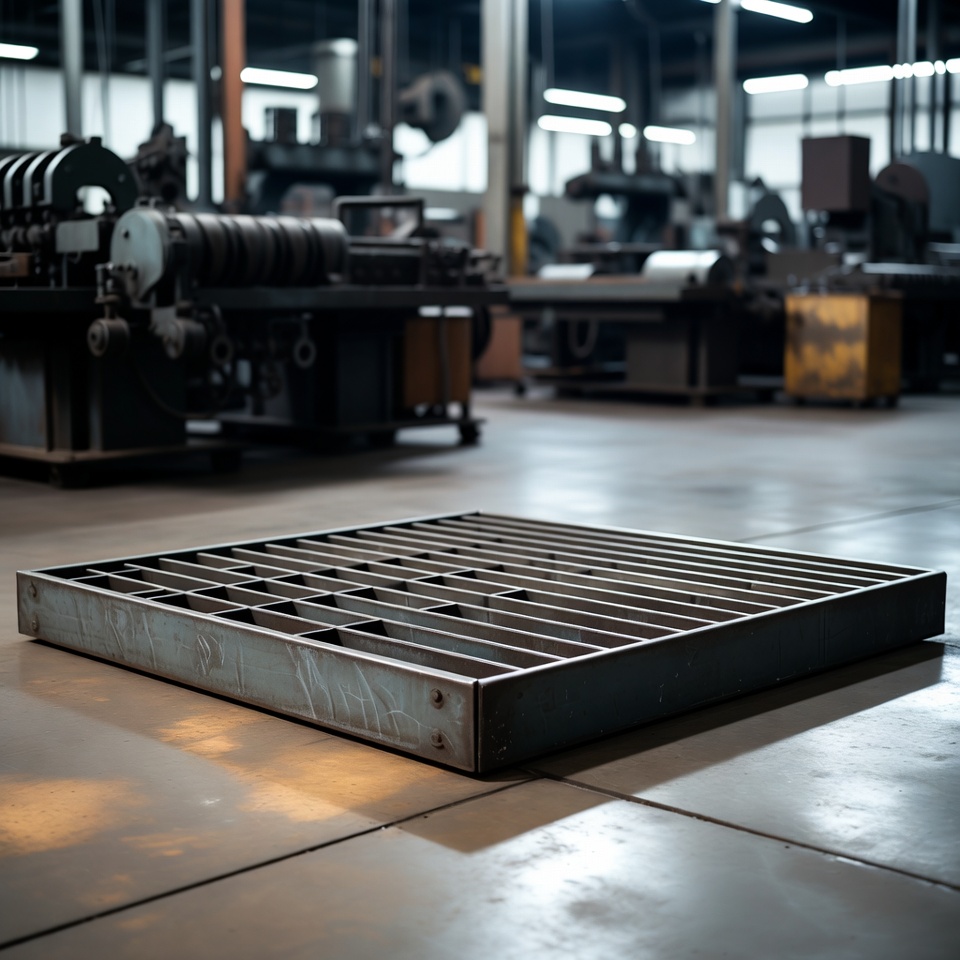
Fig 1 — Steel pricing is cyclical: inputs, power, freight, demand, and trade flows can move steel prices quickly and simultaneously.
Steel prices rise and fall in cycles because steel is a global commodity driven by multiple simultaneous forces. Iron ore, scrap availability, sponge iron costs, power tariffs, freight rates, construction demand, China's export behavior, and import parity all interact — sometimes in the same direction, sometimes not. This guide breaks down what actually drives these moves and what to watch when tracking steel rates in India.
- Steel is not one product — Why pricing is never one-dimensional
- Raw materials — the biggest engine — Iron ore, scrap, sponge iron
- Cost of production — Power, fuel, consumables
- Demand cycles — Construction, manufacturing, restocking
- Disruptions and supply shocks
- China's influence on steel prices
- Trade policy, currency & freight
- Inventory & sentiment
- Steel price tracking checklist
- FAQ — Steel price questions
Steel is Not One Product — So Pricing is Never One Number
Long Products • Flat Products • Grade Differences • Segment Divergence
Many people say "steel price" as if it is a single fixed number. In reality, steel is a commodity family with multiple product types, grades, and end-use markets. Steel can rise sharply in one segment while staying flat — or even falling — in another, depending on which demand driver is dominant at that moment.
Long Products
Construction SteelTMT bars, rods, angles, channels, beams, and rails. These move primarily with construction activity, infrastructure execution timelines, and housing demand cycles. When project execution accelerates, long product prices typically lead the rally.
Flat Products
Manufacturing SteelHR/CR coils, sheets, plates, and strips. These track demand from automotive, white goods, appliances, engineering goods, and export fabrication. Flat products can move independently of long products depending on manufacturing sector health.
Grade Differences
Carbon vs Alloy SteelMost global volume is ordinary carbon steel for construction. Higher-quality alloy or specialty clean steels have different supply constraints, longer lead times, and distinct pricing behavior — so "steel" prices vary significantly by grade specification.
Raw Materials — The Biggest Engine Behind Steel Price Increases
Iron Ore • Scrap • Sponge Iron (DRI) • Input Cost Pass-Through
When input costs rise, finished steel typically follows. In many phases, steel does not "choose" to rise — iron ore, scrap, and sponge iron force the economics. The steelmaker's margin compresses until the selling price adjusts. Understanding which input is moving is the first step to understanding why steel prices are changing.
Iron Ore Price Rise
Iron ore is the core input for primary steel production through blast furnace routes. Sustained iron ore inflation pushes steel production cost upward and compresses margins until steel selling prices adjust to restore economic viability. Iron ore is priced globally in USD, so the INR/USD exchange rate also amplifies or dampens its impact on Indian producers.
Scrap Demand and Scrap Tightness
Scrap is critical for electric arc furnace (EAF) and induction furnace steel routes — which produce a large share of India's long products including TMT bars. When scrap demand rises globally or domestic collection becomes tight, the replacement cost of steel increases quickly. Scrap tightness is one of the fastest-moving cost signals in India's steel market.
Sponge Iron (DRI) Price Rise
Sponge iron (direct reduced iron) supports steelmaking when scrap is constrained or expensive — it is a substitute input for induction furnace and EAF routes. Sponge iron prices can rise due to coal costs, iron ore availability, plant operational constraints, or logistics bottlenecks. When sponge iron rises, finished steel often moves in tandem.
The input cost increase does not immediately appear in finished steel prices — there is a lag while mills absorb the pressure into margins. Once margins compress below a threshold, the price revision happens — often quickly and by a larger increment than gradual watchers expect.
Cost of Production — Power, Fuel, and Consumables
Electricity Tariffs • Coal Volatility • Conversion Cost Per Tonne
Even when demand is stable and raw material prices are unchanged, steel prices can rise because conversion costs increase. Steelmaking and rolling are highly energy-intensive processes — power and fuel volatility can shift steel pricing quickly and without any corresponding change in construction activity or import competition.
- Power cost: Higher electricity tariffs or peak-power supply constraints raise conversion costs for induction furnaces, arc furnaces, and rolling mills — directly lifting the floor price for finished steel
- Fuel and coal volatility: Impacts sponge iron production, reheating furnaces, and overall conversion economics across the steel chain
- Electrode and ferroalloy costs: Graphite electrodes for EAF steelmaking, and ferroalloys (ferromanganese, ferrosilicon) used in grade adjustment, can create significant cost pressure during supply-constrained periods
- Refractories and flux: Consumable materials in furnace linings and slag chemistry add a background cost that rises with inflation, particularly in high-temperature industrial supply chains
Steel Demand Cycles — Construction and Manufacturing Do Not Move Smoothly
Infrastructure Execution • Housing • Automotive • Restocking Dynamics
Steel often spikes when demand improves faster than production capacity can respond. When a demand rebound begins, buyers simultaneously try to secure supply at current prices before the next revision — triggering a restocking effect that itself lifts prices further, even before actual consumption catches up.
Key demand triggers that move Indian steel prices include large infrastructure project execution momentum, housing construction starts, seasonal buying patterns before and after monsoon, and recovery in automotive production and consumer durables manufacturing.
Disruptions Create Steel Supply Shocks and Higher Volatility
Production Stoppages • Logistics Disruptions • Aftershock Recovery
Market disruptions — whether from weather events, industrial accidents, regulatory changes, or trade policy shifts — can reduce production availability, delay logistics, and create sudden local shortages. Even after a disruption ends, aftershocks can keep steel prices elevated because supply chains take weeks or months to fully normalize.
Types of Disruption That Affect Steel
Mining and port disruptions affecting iron ore or coking coal shipments; furnace outages and planned maintenance shutdowns compressing available capacity; monsoon-related logistics delays affecting dispatch; and sudden regulatory changes affecting energy availability or import/export flows.
Why Aftershocks Persist
Once a supply shock hits, buyers who deferred purchases — waiting for prices to fall — often return to the market simultaneously when the disruption appears to ease. This second wave of demand can sustain elevated prices even as the underlying disruption resolves. The steel distribution network amplifies both the initial shock and the recovery cycle.
China's Influence on Steel Prices Worldwide
Largest Producer • Largest Consumer • Export Behavior • Import Parity Impact
China matters for Indian steel prices because it is simultaneously the world's largest steel producer, the world's largest steel consumer, and a significant exporter — and its behavior in any one of these roles shifts global supply and demand balances that eventually reach India's domestic market through import parity pricing.
🟩 When China Demand Strengthens
- Higher Chinese construction and industrial activity pulls in global iron ore and coking coal — tightening raw material supply and lifting input costs for Indian producers
- Reduced Chinese steel export volumes as domestic consumption absorbs more production — tightening global available supply
- Import parity for steel into India rises — giving domestic mills pricing support to move their own prices upward
- Global benchmark prices for flat and long steel products strengthen — providing reference support for Indian market pricing
🟨 When China Slows Down and Exports Rise
- Higher Chinese steel export volumes increase global supply availability — pressing down import parity prices in India and competing markets
- Reduced Chinese raw material demand can ease iron ore and coal prices — lowering Indian producers' input costs
- Competitive pressure on Indian domestic prices increases as cheaper import parity reduces the floor domestic mills can defend
- Global benchmark prices for steel soften — removing upward reference support for domestic Indian pricing
Trade Policy, Currency, and Freight
Import Duties • INR/USD • Ocean Freight • Anti-Dumping
Steel pricing in India reacts not only to domestic production costs but also to import parity — the landed cost of imported steel from global markets. Changes in duties, safeguard measures, currency movements, and freight rates can shift import parity quickly, and domestic steel typically follows.
Policy and Duty Impact
- Basic Customs Duty (BCD): Changes in import duty directly shift the cost of imported steel and the floor price domestic mills can realistically hold
- Anti-dumping and safeguard duties: Imposed to protect domestic industry from below-cost imports — their addition or removal reshapes import parity immediately
- Export incentives and restrictions: Government decisions on steel export duty (as seen in 2022) can rapidly redirect domestic supply toward or away from export markets
Currency and Freight
- INR/USD movement: Rupee depreciation raises the rupee cost of imported raw materials and finished steel — supporting domestic price increases even with stable global prices in USD terms
- Ocean freight volatility: Freight rates from Australia, Brazil, and Middle East to Indian ports add or subtract from landed import cost — shifting the effective import parity reference
- Port and route constraints: Congestion, seasonal shipping patterns, and route disruptions can create sudden freight spikes that compound raw material cost pressures
Inventory and Sentiment Can Move Steel Without a Real Shortage
Stockist Behavior • Panic Buying • Replacement Cost Pricing • Expectations
Steel flows through a large and layered distribution network — primary producers, C&F agents, distributors, stockists, and end buyers. Price increases can propagate through this chain even without a physical shortage, simply because each layer reprices existing inventory at tomorrow's expected replacement cost rather than at the original purchase cost.
When sentiment turns bullish — driven by news of input cost increases, mill price revisions, or strong demand outlook — stockists hold material waiting for higher prices. This temporarily reduces available supply, further supporting the rally. The reverse is also true: bearish sentiment causes destocking that can accelerate price declines beyond what fundamentals alone would justify.
For contractors and project managers, this means steel prices can move materially on expectations alone — before any physical shortage has occurred. Tracking input signals (iron ore, scrap, power costs) gives advance notice of likely price direction rather than waiting for the mill revision to be announced.
Steel Price Tracking Checklist
Upward Signals • Downward Signals • What to Monitor Weekly
Use this two-panel checklist to read the current direction of steel pricing pressure. When multiple signals in one column are active simultaneously, the directional pressure is stronger. No single signal is definitive — steel pricing reflects the net balance of all these forces at once.
🟩 Signals That Support Higher Steel Prices
- Iron ore prices rising globally or in India's key import markets
- Scrap demand rising or scrap collection tightening
- Sponge iron (DRI) prices increasing at plant gates
- Power tariffs rising or peak-power availability reducing
- Ocean freight and logistics costs climbing
- Infrastructure project execution accelerating
- China domestic demand strengthening or export restrictions imposed
- Rupee weakening against USD (raises import parity)
- Industry inventory running lean — stockists holding less than usual
🟨 Signals That Often Cool Steel Prices
- Construction activity slowing or project execution delays
- China increasing steel exports aggressively into global markets
- Overcapacity building in key producing regions
- Weak demand in automotive, white goods, or appliances segment
- Industry destocking — buyers clearing excess inventory, deferring purchases
- Import parity falling (lower freight or stronger rupee)
- Government import duty reductions on finished steel
- Iron ore or scrap prices cooling significantly at source
FAQ — Steel Price Questions Answered
Common Questions • Market Drivers • Practical Insights
Vishwageeta Ispat — Raipur, Chhattisgarh
Vishwageeta Ispat supplies TMT bars, MS pipes, structural sections (angles, channels, I-beams), wire rod, and all construction steel products to contractors, fabricators, and project developers across Chhattisgarh and Central India. We publish daily rate updates through our WhatsApp channel so your team always has current market pricing — not last week's rates.
Need today's rates for TMT, MS Pipe, Structure, or Wire Rod? Contact our sales team for confirmed, mill-linked pricing with same-day response.