WHY THE I BEAM STILL REMAINS A POPULAR CHOICE IN SO MANY PROJECTS
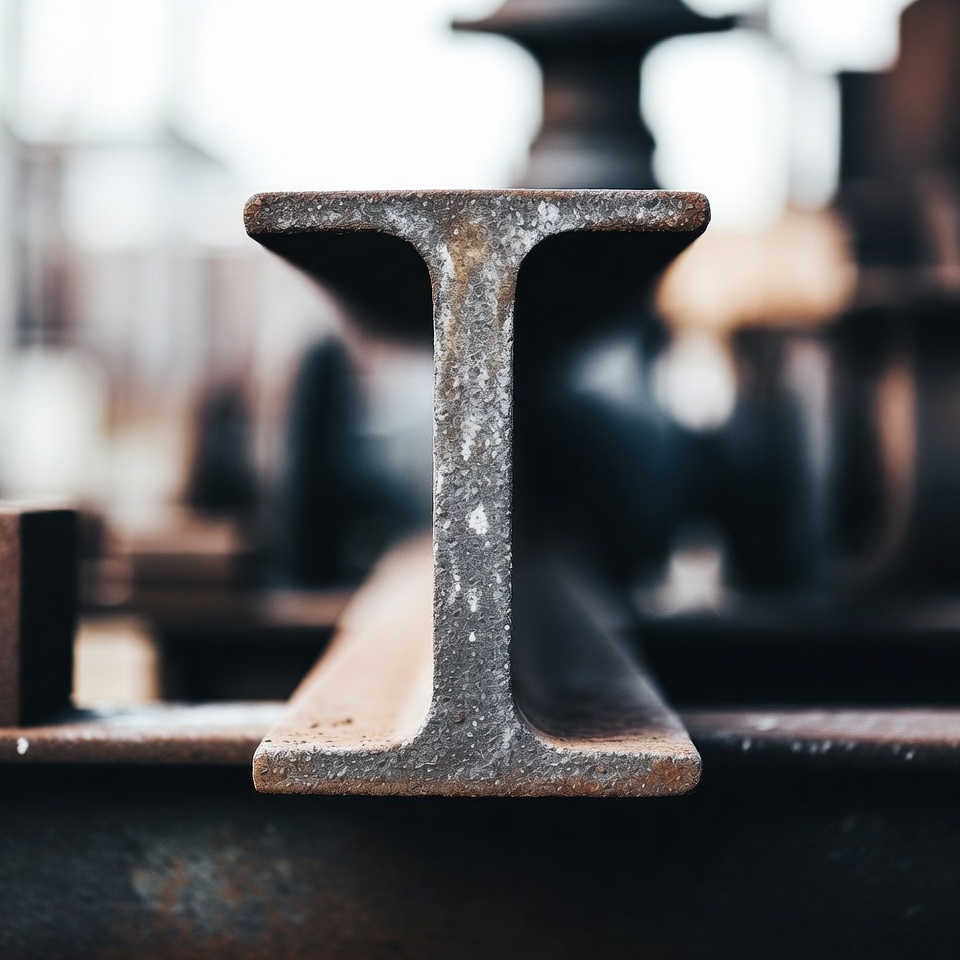
The I beam is designed to carry vertical load efficiently with strong performance and manageable weight.
Quick Navigation
The i beam looks simple at first sight—almost like a thin capital letter “I” turned into steel. But this shape is a carefully balanced form made to carry heavy vertical loads without wasting extra material. Many builders rely on it because it gives strength without adding too much weight.
Suppliers such as Vishwageeta (Vishwa Geeta Ispat) keep a wide collection because the I-beam remains one of the most demanded steel members in regular and medium-range construction work.
THE SHAPE OF THE I BEAM DOES HALF THE WORK BEFORE ANY LOAD EVEN STARTS
The web is the long vertical part, while the horizontal edges are the flanges. This combination creates a beam that handles vertical pressure extremely well. Even if the flanges are not very wide, the geometry directs most force through the web in a controlled path.
That’s why the i beam performs reliably in floors, frames, and small to medium spans. It does not resist sideways force the same way a wide-flange section can, but for vertical loading it performs impressively.
WHY THE I BEAM IS LIGHTER COMPARED TO MANY OTHER STEEL SECTIONS
One of the biggest benefits is weight efficiency. Because the flange is narrow (and in many series tapered), the beam uses less steel while still keeping strong vertical performance. This makes it:
- Easier to transport and load
- Easier to lift with crane or manual handling (as per site setup)
- Faster to position for many standard structural layouts
For projects that don’t need broad flange stability, the i beam becomes an affordable and practical choice.
THE ROLE OF THE WEB MAKES THE I BEAM SURPRISINGLY STRONG
Many people focus only on the flange, but web depth and thickness decide how the beam behaves under vertical load. A thicker web generally increases stiffness and reduces bending tendency. A thinner web reduces weight, but can increase flexibility depending on span and load.
In many designs, engineers focus first on web height because that controls much of the vertical performance for floors and roof systems.
COMMON AREAS WHERE THE I BEAM FITS PERFECTLY
The i beam fits in many practical locations where vertical load is primary and spans are moderate:
- Residential and commercial building floors
- Mezzanine levels and platforms
- Interior structural frames
- Small bridges and walkways (as per design requirement)
- Renovations and reinforcement work in older structures
It performs especially well in mid-load environments because the design is optimized for efficient vertical load carrying.
THE COST FACTOR MAKES THE I BEAM EVEN MORE POPULAR
Because the i beam often uses less steel than broad-flange sections, its pricing can be more economical for many standard projects. However, cost still depends on grade, size, length, and market availability. Even small market movements can affect final billing.
THE LIMITATIONS OF THE I BEAM THAT SHOULD NOT BE IGNORED
While it is strong vertically, the i beam generally offers less resistance to twisting and sideways forces compared to wider-flange sections. That’s why for: industrial sheds, wide-span roofs, vibration-heavy machinery zones, or strong lateral load areas—other sections may be more suitable.
Many problems happen when a beam is selected only because it’s cheaper, without checking if the flange width and stability are enough for the job.
| Condition | I beam suitability | Why |
|---|---|---|
| Vertical load dominant + medium spans | High | Efficient web-based load carrying |
| High lateral loads / twist risk | Depends on design | Flange width may be limited for stability needs |
| Wide-span industrial frames with vibration | Often not preferred | Stability requirements can be higher |
LONG-TERM DURABILITY OF A WELL-CHOSEN I BEAM
An i beam selected correctly for its load type can last for decades. It keeps floors stable, supports weight reliably, and resists bending when the sizing and grade match the design.
Quality control and dimensional tolerance matter—small differences can influence fit-up, alignment, and long-term behaviour under daily service loads.
THE FUTURE OF I BEAM IN NEW CONSTRUCTION TRENDS
As buildings become more space-efficient and lightweight, demand for i beam sections may increase. Improved steel processes are producing stronger sections with refined tolerances, which means the classic I-shape can keep serving modern architecture without major redesign.
WHY THE I BEAM REMAINS A TRUSTED CHOICE AFTER SO MANY YEARS
Even with newer beam types, the I-beam remains valuable because it supports weight efficiently without wasting material. For safer selection, always check size charts, web/flange thickness, weight per meter, and grade.
With a trusted supplier like Vishwageeta, choosing the right i beam becomes easier, safer, and more reliable for long-term use.
Practical tip: If you share span, load type, and application (floor/mezzanine/frame), suppliers can shortlist sizes faster and reduce selection mistakes.
QUICK CHECKLIST BEFORE YOU ORDER I BEAM
- Confirm application (floor, platform, frame, mezzanine, etc.)
- Confirm span length and support spacing
- Check load type (static load, moving load, vibration risk)
- Compare web depth and thickness using size chart
- Confirm flange width for stability and connection/joint space
- Confirm steel grade and any coating needs (if exposed)
- Validate selection with structural engineer for critical structures
Structural Steel • Steel Specifications & Standards • Contact & Enquiry
Need the Right I Beam Size for Your Project?
Connect with Vishwa Geeta Ispat (Vishwageeta) for dependable supply and practical guidance on I beam sizes, grades, and selection for your application.
Frequently Asked Questions
Is an I beam strong enough for heavy construction?
It can be, depending on the size, grade, span, and load design. For heavy lateral loads, wide spans, or high vibration zones, other sections may be more suitable.
What matters more in an I beam: flange or web?
The web typically carries much of the vertical load. Flange width and thickness still matter for stability and connection strength.
Why do I beams bend in some projects?
Usually due to incorrect sizing, wrong grade, longer span than planned, or load changes (vibration/moving loads) not considered during selection.
When should I choose an H beam instead of an I beam?
When lateral stability, twist resistance, wide-span frames, or vibration-heavy zones are significant. Final selection should be validated by structural design requirements.
Conclusion
The i beam stays popular because it delivers strong vertical load performance with efficient weight and cost. When chosen correctly by size and grade, it offers long-term reliability for floors, frames, and many medium-span structures. The key is selecting based on charts and real load needs—not only by price or appearance.