Why Electric Pole Price Confuses Most Buyers
Electric pole pricing looks simple on the surface — but quotes vary widely because specifications, quality scope, logistics, and commercial terms all differ between suppliers. This guide decodes what actually drives the price and how to compare correctly.
Share spec, height, load class, and destination — we respond with a clean, all-inclusive quote.
Request Quote24-Hour Response Join WhatsApp ChannelDaily Rate Updates Call: 9200049000Direct Sales Line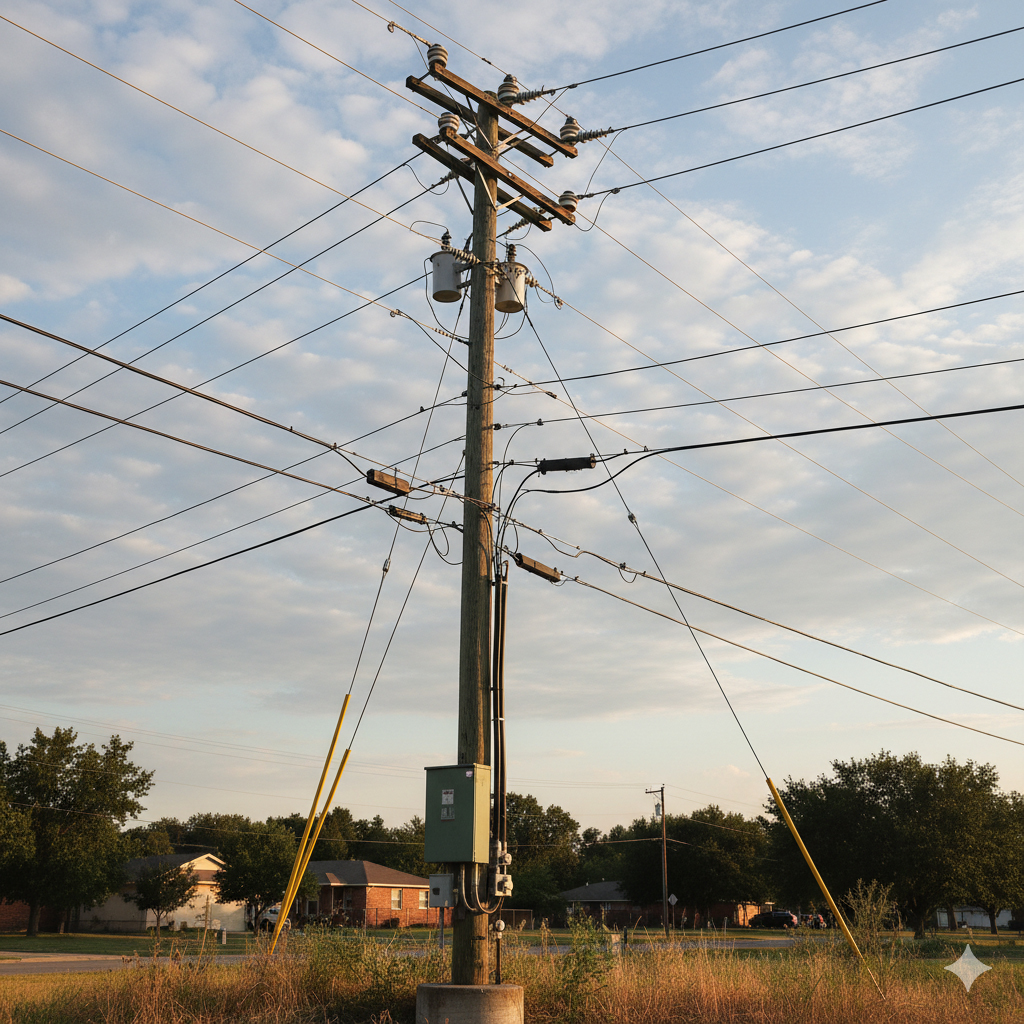
Fig 1 — Electric pole pricing depends on engineering class, material grade, logistics, and quality assurance scope — not just the unit price shown on the quote.
Electric pole price often confuses buyers because the product looks simple while the costing logic is technical. At first glance, poles may appear identical. But real quotations vary significantly due to material grade, load duty class, pole height, handling requirements, delivery distance, and quality assurance scope. A fair comparison requires full specification matching — not just price line comparison.
- Why buyers see such different numbers — The specification mismatch problem
- What actually moves the final quote — Material, height, load class, coating
- Hidden charges buyers frequently miss — Freight, handling, quality, risk
- Why supplier rates differ for similar poles — Quality scope vs price margin
- Future price trend — what to expect
- Smart quote comparison checklist
- Price vs long-term project value
- FAQ — Electric pole price questions
Why Buyers See Such Different Pole Price Numbers
Engineered Product • Not a Commodity • Specification-Driven Pricing
Most buyers expect one fixed market rate for electric poles. The reality is that poles are engineered products, not commodity items like rebar or pipe by the ton. A light-duty street lighting pole and a transformer-duty distribution pole may look similar from a distance — but they cannot be priced the same because they serve fundamentally different structural and performance requirements.
When one quote looks significantly lower than others, the appropriate response is to pause and verify what is actually included — not to assume the cheaper supplier found a better price. In most cases, the price difference comes from a difference in quality scope, specification, or logistics assumptions — not from the supplier's negotiating skill.
What Actually Moves the Final Pole Price Quote
Material Type • Height & Load Class • Coating • Logistics
Material type is the first and largest price driver. Concrete, steel, and wood poles follow entirely different production paths with different raw material inputs, manufacturing processes, and performance profiles. Steel poles track steel market pricing; concrete poles reflect cement, reinforcement, and curing costs. The base rate moves with raw material cycles — not with the supplier's preference.
| Cost Driver | What Changes | Impact on Quote | Buyer Action |
|---|---|---|---|
| Material Type | Concrete / steel / wood — different production paths | Changes base rate immediately and significantly | Specify material and grade in enquiry |
| Height & Section | Mass, balance, production complexity, handling | Higher manufacturing + specialized handling cost | Specify exact height and taper/section |
| Load Class / Duty | Cable weight, transformer duty, safety margin | Stronger design required, higher final cost | Confirm duty class in specification |
| Coating & Protection | Galvanizing or protective finish type and thickness | Adds process cost, meaningfully extends service life | Specify coating grade and IS standard |
| Dispatch Distance | Freight route, vehicle type, unloading at site | Can add 15–30% to ex-yard price for remote sites | Request delivered (landed) price quote |
| Quality Assurance | Inspection scope, testing, documentation | Adds upfront cost; prevents failure and claims later | Ask what QA is included before dispatch |
Why Supplier Rates Differ for Apparently Similar Poles
Quality Scope • Process Standards • Location • Lead Time
Two suppliers can quote different prices for visually identical poles. The difference is almost never entirely about negotiating margin — it reflects real differences in what is being supplied. Understanding these differences is the key to making a confident procurement decision.
Quality Scope Differences
One supplier may use stronger reinforcement steel in concrete poles and allow full curing time before dispatch. Another may use lower-grade inputs and shorten the curing period to reduce working capital. The poles look identical when they arrive — but their structural performance over 20 years will differ significantly.
Similarly, a galvanized steel pole from one supplier may carry a 610 g/m² zinc coating per IS 2629 specification. Another may offer 280 g/m² without disclosing the difference. The lower-coated pole will begin showing corrosion in 5–8 years in outdoor conditions instead of 20–30 years.
Location and Logistics Differences
A supplier located near your project site will quote a lower effective landed cost — even if their ex-yard rate is slightly higher. Freight for long heavy poles is not cheap: transport for oversized loads, unloading equipment, and route permit costs can add ₹5,000–15,000 per vehicle depending on distance and load.
This is why sourcing from a regionally located supplier like Vishwageeta Ispat in Raipur typically delivers better total value for projects in Chhattisgarh and Central India — even when distant suppliers appear to offer lower unit prices.
Electric Pole Price Trend — What to Expect
Rising Demand • Stronger Specifications • Raw Material Volatility
Demand for distribution infrastructure is rising across India — urban load density is increasing, rural electrification projects continue, and smart city infrastructure expansion is adding new utility pole requirements. This demand environment generally supports prices rather than compressing them.
Simultaneously, stronger pole specifications are becoming more common as distribution networks handle higher cable loads, more attachment hardware, and smart city accessories. Buyers should expect periodic price movement — both from raw material cycles (steel, cement, zinc) and from specification upgrades — rather than a stable market.
Freeze specifications early before the market moves. Request landed-rate quotes (including freight and handling). Lock dispatch windows in advance for large orders. This procurement discipline protects your project budget from mid-execution price surprises regardless of market direction.
Smart Quote Comparison Checklist
Before Sending Enquiry • Before Comparing Quotes • Before Placing Order
Technical Scope to Specify
- Material type and grade: concrete (specify cement grade and reinforcement steel grade) or steel (specify IS grade)
- Pole height: exact height in meters — do not leave this to supplier assumption
- Load class / duty class: LV distribution, MV distribution, transformer support, high-tension line duty
- Section type: taper, diameter at base and top, or I-section profile for steel poles
- Coating specification: bare, primer, or hot-dip galvanized — specify IS 2629 if galvanized
- Quality documents required: IS certificate, load test certificate, galvanizing certificate if applicable
Commercial Terms to Confirm
- Delivered (landed) price: all-inclusive to your site — not ex-yard only
- Freight and handling: who arranges, who pays, who bears risk during transit
- Lead time: committed production and dispatch date — in the purchase order, not verbal
- Payment milestones: advance, on production confirmation, on dispatch, on delivery
- Replacement provision: what happens if defects are found after delivery or installation
- Support availability: how quickly can the supplier respond to quality issues post-supply
Electric Pole Price vs Long-Term Project Value
Lifecycle Cost • Safety • Reliability • Total Cost of Ownership
A pole may appear to be a simple line item in a project budget — but it carries critical public load and responsibility for 25–40 years. The true cost of getting it wrong is not the price difference between two quotes. It is the cost of early failure: emergency replacement work, power outages, safety liability, and regulatory scrutiny.
Evaluate total value — not just upfront cost. When safety, durability, reliability, quality documentation, and service support are all aligned with a fair price, the procurement decision becomes both defensible and financially sound.
Procurement decisions made purely on lowest unit price for utility poles consistently underperform on total cost of ownership. Better quality, correctly specified poles consistently outperform on reliability, maintenance cost, and replacement frequency — making the higher-quality supplier the better financial decision over the project's full service life.
• Bureau of Indian Standards (BIS) — IS standards for poles and galvanizing
• Ministry of Power, Government of India — Distribution network guidelines
• Central Electricity Authority (CEA) — Safety regulations for utility infrastructure
FAQ — Electric Pole Price Questions Answered
Common Buyer Questions • Specification Matching • Hidden Costs • Value Assessment
Vishwageeta Ispat — Raipur, Chhattisgarh
Vishwageeta Ispat supplies electric poles, RSJ sections, and structural steel for utility, distribution, and industrial infrastructure across Chhattisgarh and Central India. We provide transparent, all-inclusive landed-cost quotations — so the price you see covers the pole from our premises to your site. Full quality documentation on every supply. IS-standard certified. Same-day commercial response for enquiries with full specification details.
Share your material, height, load class, quantity, and delivery site — we respond with a confirmed landed-rate quote within 24 hours.