The Hidden Responsibility Carried by Every Electrical Pole on the Road
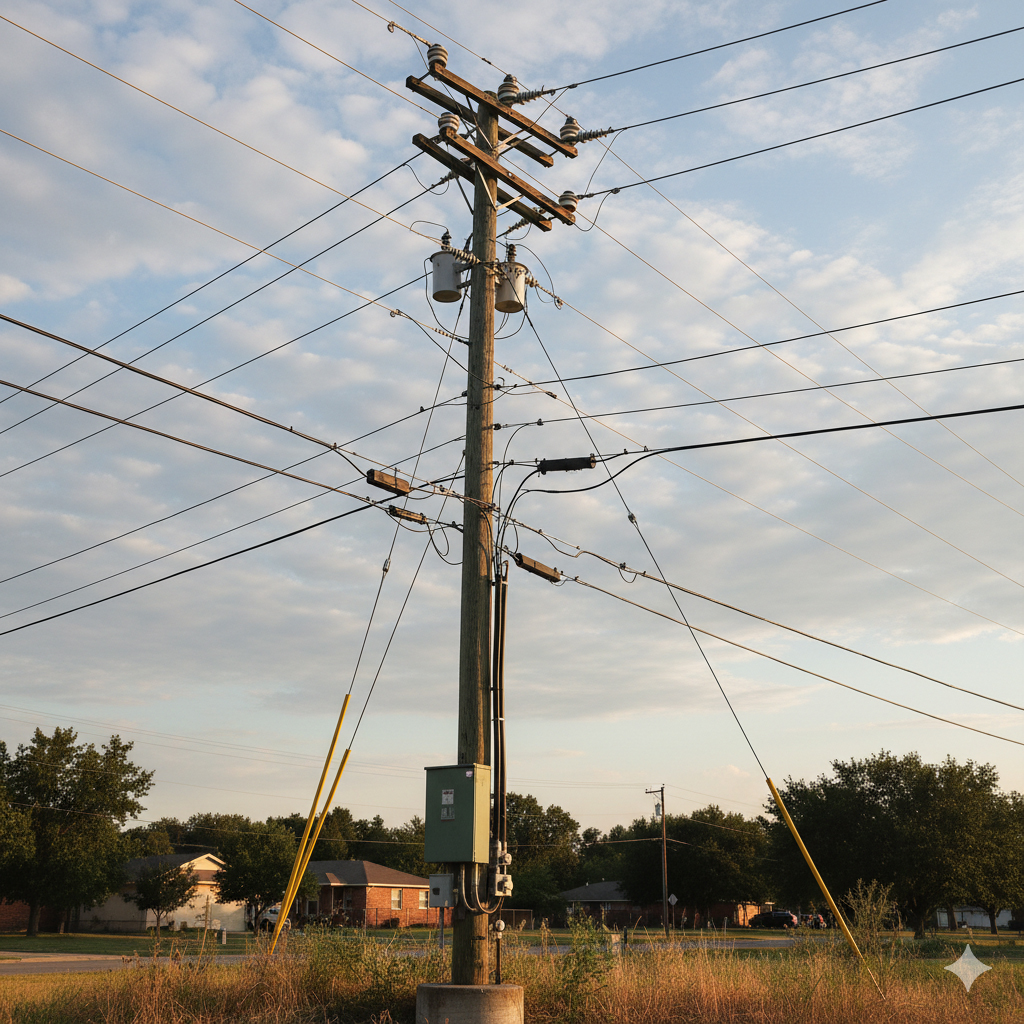
An electrical pole supports lighting, power flow, and public safety in every season.
Quick Navigation
- Why an electrical pole matters daily
- Electrical pole vs regular street structure
- Electrical pole material choices
- Electrical pole foundation and alignment
- Pole networks and distribution stability
- Electrical pole safety and clearance
- Extra attachments and load shift
- Weather stress over time
- Installation errors and voltage issues
- Future-ready pole infrastructure
Why an Electrical Pole Matters More Than Most People Realize
Electrical pole networks are one of the most essential parts of a functioning city, because they hold overhead lines, support street lighting, and maintain safe power routing across homes, shops, hospitals, and roads. Most people pass by these structures without noticing them, yet when one pole tilts, cracks, or loses alignment, the effect can spread quickly through an entire lane.
Manufacturers like Vishwageeta treat poles as engineered infrastructure—not just metal or concrete parts. A wrong section size, poor foundation depth, or weak coating can lead to cable sagging, unstable voltage behavior, and maintenance-heavy operations over time.
What Makes an Electrical Pole Different from a Regular Street Structure
A regular roadside structure may only need static stability, but an electrical pole must continuously handle dynamic cable tension, wind load, temperature movement, and public safety clearances. That is why pole height, diameter, and wall thickness are selected with calculation—not guesswork.
In dense neighborhoods, lower spans and closer placement may be needed. On wider roads, clearances increase. Therefore, one standard design cannot fit every location.
Electrical Pole Material Choices and Their Performance
Electrical Pole Materials: Steel, Concrete, Wood, and Fiberglass
Steel poles offer cleaner geometry and easier fabrication, but they need reliable anti-corrosion treatment. Concrete poles provide high mass stability and weather tolerance, though transport and installation are heavier. Wooden poles still exist in low-load or legacy areas but require more monitoring for moisture and pests. Fiberglass poles are lightweight but demand careful handling.
Vishwageeta recommends pole material based on soil behavior, climate exposure, load category, and likely future attachments.
Electrical Pole Foundation and Alignment Basics
Even a strong pole can fail early if the base is weak. Foundation depth, compaction quality, and drainage planning determine whether the structure stays upright for years. Small alignment errors often begin as minor visual tilt and later become wire clearance and tension problems.
In rain-prone zones, poor soil support can lead to gradual settlement. In traffic-heavy corridors, repeated vibration can disturb base integrity if installation quality is low.
Pole Networks and Distribution Stability
Power moves through a chain of supports. If one section becomes unstable, adjacent spans are affected. Good pole quality helps maintain spacing, reduces sag risk, and improves reliability under daily load cycles.
Rural lines often face long-span wind stress, while urban networks face traffic vibration and frequent utility additions. Both require context-specific design.
Electrical Pole Safety, Clearance, and Public Risk Control
The primary safety role is simple: keep energized lines at safe height and predictable alignment. If lines droop or spacing is wrong, risk increases for vehicles, pedestrians, and maintenance teams.
Proper pole geometry also influences lighting quality. Bent or misaligned arms can create dark patches that affect road visibility and local safety.
Additional Attachments and Load Complexity
Electrical Pole Load Shift: Why Unmanaged Add-ons Create Risk
Modern poles frequently carry internet cables, CCTV units, speakers, and signage beyond original design assumptions. Each added item changes wind pressure and center-of-gravity behavior.
Without bracket planning and load distribution checks, the pole may drift toward progressive tilt and hardware fatigue.
Weather Stress That Slowly Changes Pole Behavior
Heat expansion, monsoon moisture, wind gusts, dust accumulation, and regional corrosion patterns all influence performance over time. Coastal air accelerates rust in unprotected steel; water ingress can worsen cracks in aging concrete.
This is why coating systems, inspection intervals, and seasonal maintenance plans matter as much as initial installation.
Electrical Pole Installation Errors That Affect Power Quality
Incorrect span length, rushed leveling, poor bolt alignment, or inconsistent base depth can create ongoing operational issues— line fluctuation, repeated fuse trips, and premature hardware wear.
Correct spacing and tension planning reduce rework and improve day-to-day grid stability.
Future of Electrical Pole Infrastructure in Growing Cities
Electrical Pole Evolution: From Simple Support to Multi-Service Asset
Future-ready streets increasingly expect poles to hold lighting controls, monitoring sensors, communication devices, and smart-city components. This means higher structural expectations with tighter safety margins.
Manufacturers with specification-first production—like Vishwageeta—are better positioned to supply poles that support both current loads and future utility expansion.
Conclusion: Why a Strong Electrical Pole Network Keeps Cities Running
An electrical pole may look ordinary, but it carries extraordinary responsibility. It supports power continuity, safer roads, and predictable public utility performance every day. When selection, foundation, and installation are done correctly, the same structure can deliver stable service for years with lower maintenance burden.
RSJ & Electric Poles • Steel Specifications & Standards • Construction & Building Materials • Industrial Steel Applications • Contact & Enquiry
Need Utility-Grade Poles with Reliable Dispatch?
Get specification-based recommendations and project-ready supply support from Vishwa Geeta Ispat.
Electrical Pole FAQs
How often should pole alignment be inspected?
At least seasonally in high-load or high-traffic zones, and immediately after storms or nearby civil work.
Can one pole design be used everywhere?
No. Soil, span, climate, traffic, and utility load vary by location, so design selection should be context-specific.
Why do voltage issues sometimes relate to pole quality?
Poor installation and sagging spans can disturb line behavior, leading to recurring local instability and maintenance calls.