THE ELECTRIC POLE THAT STANDS EVERYWHERE BUT STILL GOES UNNOTICED
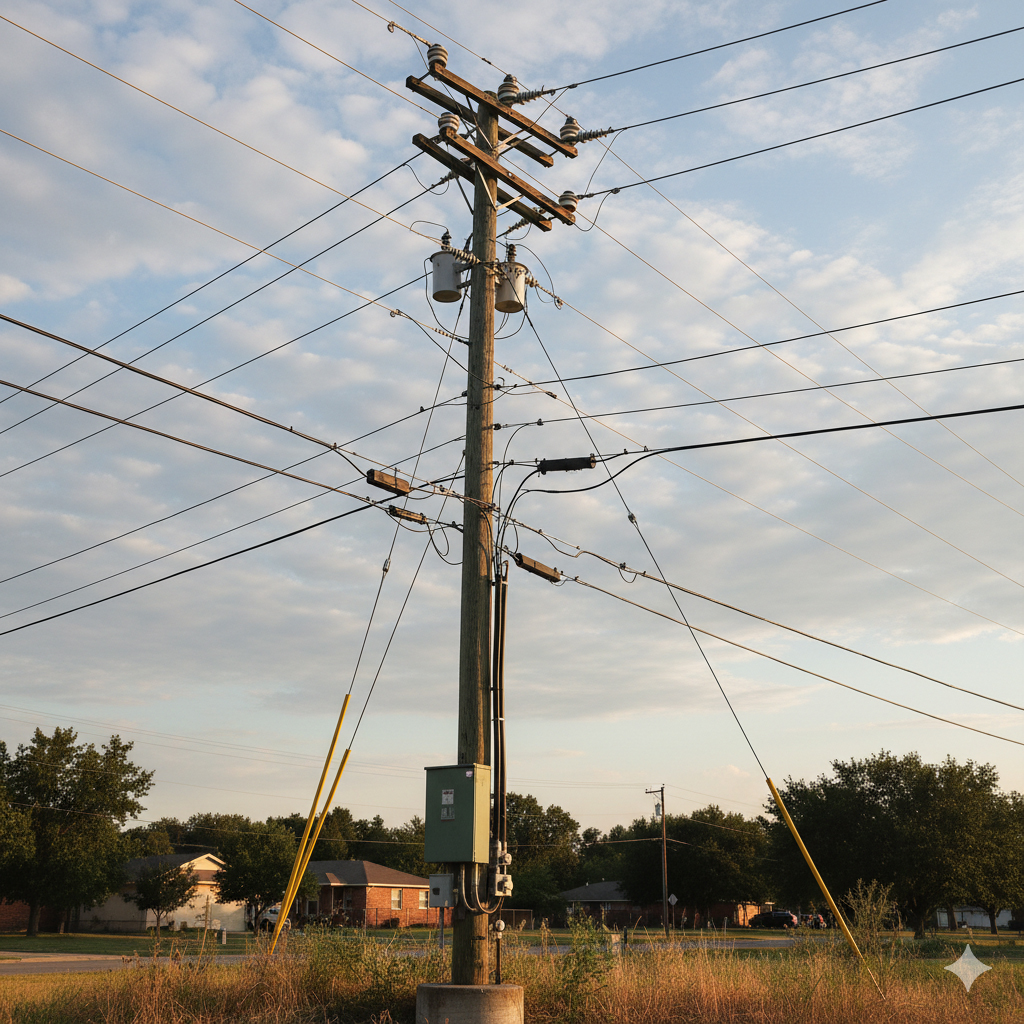
Electric pole infrastructure supports safe and reliable distribution across streets, markets, and industrial zones.
Quick Navigation
Electric Pole systems quietly carry the daily load of modern life. They support power lines above roads, homes, shops, schools, and factories. As a result, people get electricity safely and consistently. However, most people notice this structure only when there is a fault or outage.
Electric Pole: The Most Ignored Structure in Every Street
An electric pole may look simple, but its job is complex. It must hold cable tension, resist wind, and stay stable in changing weather. In addition, it must keep proper clearance from vehicles, pedestrians, and buildings. Therefore, this is not just a “tall stick.” It is a designed utility asset.
On paper, design values look straightforward. In the field, though, reality is harder. Poles face rain, heat, dust, vibration, corrosion, and unplanned loading. Even then, they continue working day after day. That is why material choice, foundation depth, and inspection schedules matter far more than most people assume.
Electric Pole Types and Their Real-World Role
No single pole type is perfect for every location. Selection depends on load, terrain, weather, budget, service life target, and maintenance access.
Concrete Poles: Strong, Stable, and Durable
Concrete poles are known for toughness and corrosion resistance. They are widely used in distribution networks because they handle weather exposure well. Moreover, they usually provide long service life when installed with correct foundation practice.
However, concrete poles are heavy. So transport and erection need proper equipment and site planning. In weak soil, engineers must carefully validate embedment depth and base stability. When done correctly, concrete poles remain a dependable long-term option.
Steel Poles: Slim Profile with High Load Flexibility
Steel poles are increasingly preferred in urban and industrial corridors. They look cleaner, occupy less visual width, and can be engineered for demanding load cases. In addition, steel poles integrate well with modern utility layouts and retrofit projects.
That said, steel requires quality surface protection. Galvanizing or proper coating is critical for corrosion control. Without it, service life can drop in humid or coastal conditions. With correct coating and periodic checks, steel poles perform exceptionally well.
Wooden Poles: Legacy Use in Select Regions
Wooden poles still exist in older or remote networks. They may be cost-effective at the start, and installation can be simpler in certain terrains. Nevertheless, wood ages faster under moisture, pests, and repeated seasonal stress.
For this reason, many utilities are moving from wood toward concrete or steel where lifecycle reliability is a higher priority.
What the Pole Handles Daily That Most People Never See
Field stress is not only electrical. Poles often carry extra load from posters, banners, temporary cable bundles, and unauthorized attachments. Meanwhile, vehicle impact risk is common near narrow turns and market roads. Consequently, even a strong pole can degrade early if inspection discipline is poor.
- Extra telecom cable loops without load recalculation
- Repeated banner fastening at one height band
- Accidental vehicle contact near intersections
- Bird nesting around hardware and insulator zones
- Waterlogging around foundations during monsoon
Therefore, preventive maintenance is not optional. It directly improves continuity and public safety. A simple inspection cycle can reduce emergency failures and unexpected replacement cost.
Electric Pole Performance During Storm and Wind Pressure
Storm season is the real test. During high wind, cable swing and dynamic tension increase rapidly. At the same time, wet soil can weaken support around foundations. Even so, well-designed poles survive because safety factors are built into section selection and erection practice.
In critical zones, engineers also plan controlled failure behavior. For example, some designs prioritize top-side yielding instead of complete base collapse. This helps reduce severe road hazards during extreme events.
Field Insight
A pole that worked well 15 years ago may not be enough today. Why? Because cable count, communication load, and urban density have increased. So design assumptions must be updated to current demand.
Electric Pole Engineering Factors That Decide Safety
| Engineering Factor | Why It Is Important |
|---|---|
| Wind Zone | Defines bending demand and required structural margin. |
| Cable Load Profile | Impacts deflection, vibration behavior, and connection integrity. |
| Foundation & Soil | Controls long-term tilt resistance and overturning safety. |
| Material & Coating | Affects corrosion life, maintenance intervals, and replacement cycle. |
| Inspection Frequency | Helps detect cracks, corrosion, and hardware loosening before failure. |
Future Utility Networks and Smarter Street Infrastructure
Underground cabling will grow in premium corridors. Yet overhead systems will remain essential for many Indian cities and semi-urban regions because they are more practical to install, inspect, and repair. So poles will stay relevant for a long time.
In addition, the role of poles is expanding. Modern networks use poles for smart devices such as surveillance accessories, communication hardware, and city monitoring components. Therefore, future pole planning will combine electrical, structural, and digital infrastructure needs.
RSJ & Electric Poles • Construction & Building Materials • Industrial Steel Applications • Steel Specifications & Standards • Weight Charts & Calculators • Contact & Enquiry
Need Reliable Utility Steel Supply for Pole Projects?
Choose Vishwa Geeta Ispat for dependable quality, practical commercial support, and coordinated dispatch across project locations.
Electric Pole FAQs
Why do some poles look tilted?
Common causes include soil settlement, accidental impact, overload, and aging. Regular inspection and timely correction prevent major failures.
Are steel poles always better than concrete poles?
Not always. The better option depends on load demand, climate, soil condition, visual preference, and lifecycle cost.
Can one pole carry power and communication lines together?
Yes, it is possible when clearances, hardware arrangement, and load checks are properly engineered and approved.
Does coating quality really affect pole life?
Absolutely. Proper galvanizing or coating significantly improves corrosion resistance and extends service life in exposed environments.
Conclusion: Why the Electric Pole Still Matters
The electric pole remains a critical public asset. It supports reliable power delivery, protects safe clearances, and keeps urban life functioning smoothly. Although it often goes unnoticed, its engineering and maintenance directly affect safety, uptime, and cost.
For that reason, project teams should prioritize correct pole type selection, sound foundation practice, and disciplined inspection. With the right supply partner and field execution, distribution infrastructure becomes stronger, safer, and more future-ready.