HOW A SMALL DETAIL LIKE HEIGHT CAN CHANGE THE WHOLE PERFORMANCE OF A POLE
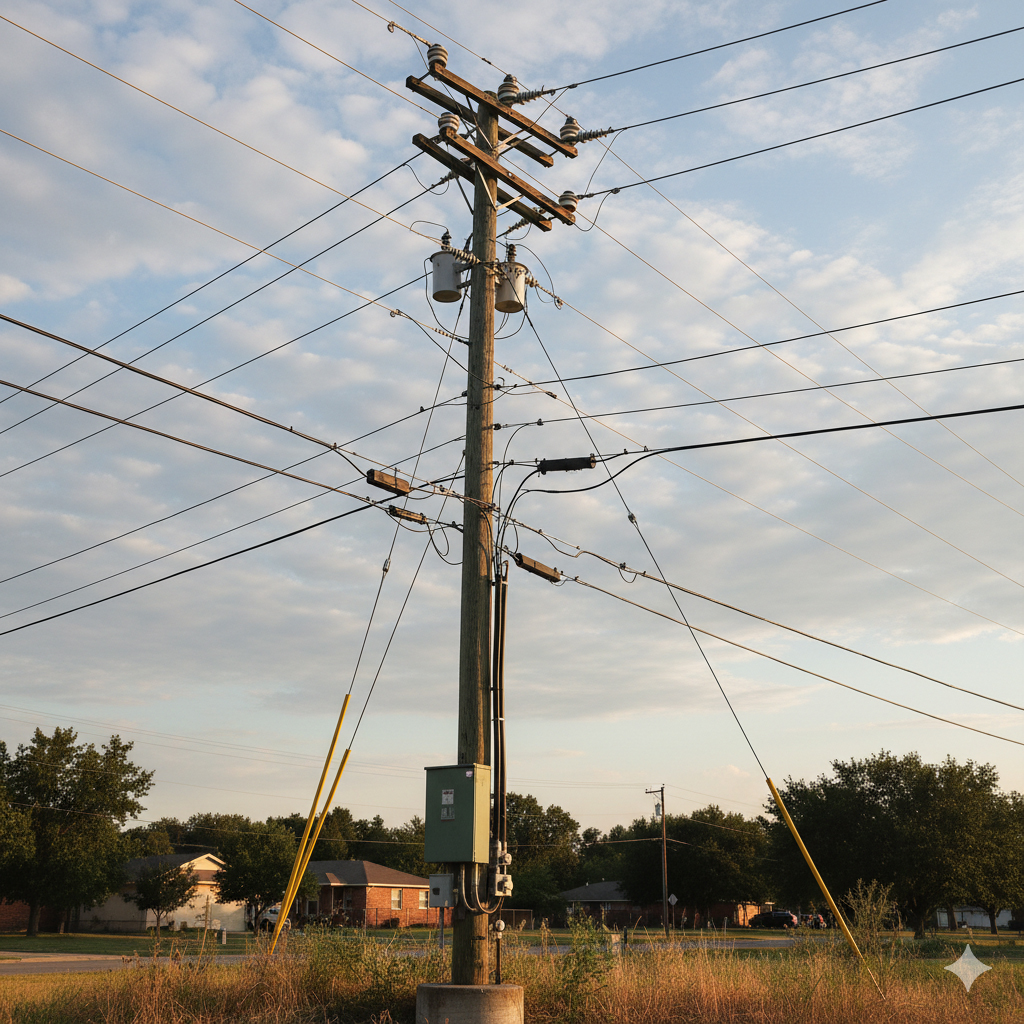
Correct pole height keeps wiring safe, stable, and service-ready across changing weather and load conditions.
Quick Navigation
Electric Pole Height is often treated like a small measurement, yet it directly controls safety, wire clearance, lighting spread, and long-term reliability. If height is too low, wires may sag into unsafe zones. If height is too high without proper design, wind pressure and structural stress can increase. Therefore, correct height acts as the balance point for stable performance.
Why Electric Pole Height Is Not the Same in Every Area
Many people assume one standard size should work everywhere. In reality, site conditions change from zone to zone. Dense city lanes, highways, industrial corridors, and semi-rural stretches all need different clearance logic.
- Urban roads: moderate heights to match spacing, buildings, and maintenance access.
- Highways: taller heights for large-vehicle clearance and thermal wire expansion.
- Industrial zones: higher clearance due to cranes, trucks, and equipment movement.
- High-tension corridors: stricter overhead safety margins.
Electric Pole Height and Safety: What Really Changes
Height selection is a safety decision first, not just a visual choice. A shorter pole can accelerate sag-related risk in hot weather. A very tall pole may attract stronger lateral wind force, especially when foundation design is weak. Hence, height must match base depth, soil behavior, span distance, and cable load.
In older localities, many lines were designed for lower loads. However, modern areas need higher and better-planned poles due to increased power demand, telecom bundling, and larger road movement.
| Height Condition | Typical Risk | Operational Effect |
|---|---|---|
| Too low | Reduced clearance, visible sag | Higher safety concern and frequent corrections |
| Too high (without matching design) | Wind stress and sway tendency | Foundation stress and long-term tilt risk |
| Balanced height + proper foundation | Controlled tension and clearance | Stable service life and lower maintenance load |
Engineering Logic Behind Electric Pole Height Selection
Selecting pole height is a combined engineering process. Engineers evaluate cable weight, pole-to-pole span, acceptable sag, wind patterns, soil strength, and seasonal temperature variation. As a result, final height is a calculated outcome, not a random preference.
Key Inputs Used in Height Planning
- Span length: larger span generally needs better clearance control.
- Cable load: heavier conductors change tension and deflection behavior.
- Soil condition: weak soil needs deeper and stronger foundation planning.
- Wind zone: higher wind exposure needs sway and moment control.
- Temperature profile: expansion and contraction influence wire sag bands.
Future Infrastructure Will Raise Height Planning Complexity
Cities are expanding vertically, roads are widening, and traffic profiles are changing. Consequently, height planning now considers not only electrical load but also smart-city attachments such as CCTV modules, sensors, and communication components.
So, future-ready projects increasingly require pole designs with optimized height, stronger foundations, and multi-utility compatibility.
Practical takeaway: Pole height should always be finalized with route-specific engineering inputs, not generic assumptions.
Quick Checklist Before You Finalize Pole Height
- Confirm voltage class and intended utility load.
- Map traffic profile (including heavy vehicles).
- Validate span layout and target sag range.
- Assess soil quality and foundation depth requirement.
- Account for wind, rain, and seasonal temperature behavior.
- Plan for future attachments (lights, sensors, communication lines).
RSJ & Electric Poles • Industrial Steel Applications • Steel Specifications & Standards • Buying Guides & Procurement • Contact & Enquiry
Need Application-Specific Pole Planning Support?
Connect with Vishwa Geeta Ispat for dependable supply and practical guidance on pole selection for utility, city, and industrial projects.
Frequently Asked Questions
Why is electric pole height important for safety?
It ensures safe overhead clearance, controls sag risk, and supports stable line behavior over time.
Do all areas use the same electric pole height?
No. Height changes by voltage class, road type, span distance, climate, and local utility requirements.
Can wrong height increase maintenance issues?
Yes. It can cause repeated alignment correction, clearance problems, and higher service interruptions.
Who should decide final pole height?
Qualified engineering teams should finalize it after evaluating route-specific technical inputs and safety factors.
Conclusion
Electric pole height may look like a minor dimension, but it governs safety, stability, and long-term performance. A correctly selected height protects clearance, supports reliable distribution, and lowers future maintenance pressure. With proper planning and dependable manufacturing, poles remain steady and serviceable for years.