WHY ELECTRIC POLE PRICE CONFUSES MOST PEOPLE
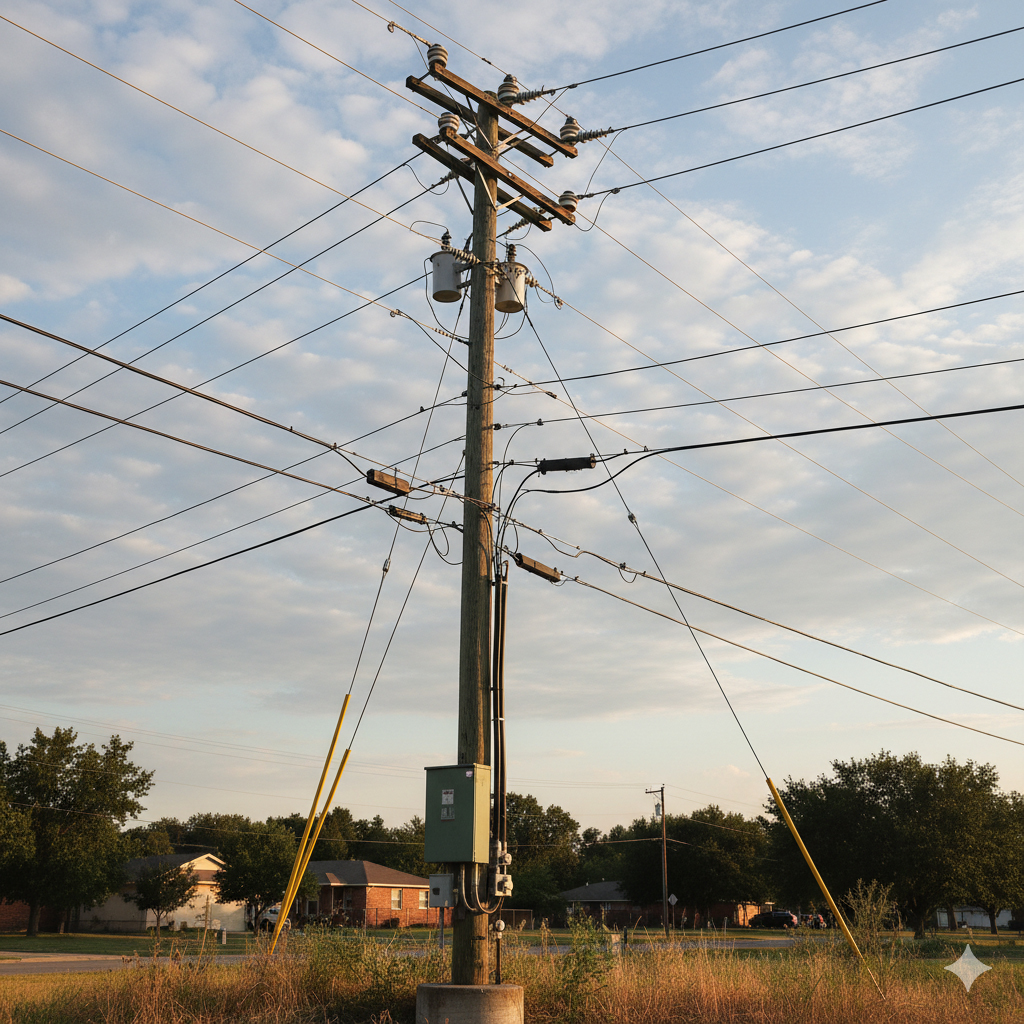
Electric pole pricing depends on engineering class, material, logistics, and quality assurance.
Quick Navigation
Electric Pole Price often confuses buyers because the product looks simple while the costing logic is technical. At first glance, poles may appear similar. However, real quotations vary due to material grade, load duty, pole height, handling requirements, and delivery distance. Therefore, a fair comparison needs full specification matching.
Electric Pole Price: Why Buyers See Different Numbers
Most buyers expect one fixed market rate. Yet poles are engineered products, not commodity pipes. For instance, a light-duty streetline pole and a transformer-duty pole cannot be priced the same. Moreover, weather exposure and site conditions can change design requirements.
So, if one quote looks much lower, pause and verify what is included. In many cases, the difference comes from quality scope, not just negotiation margin.
What Actually Moves the Final Quote
Electric Pole Price and Material Choice
Material is the first price driver. Concrete, steel, and wood follow different production and performance paths. Steel poles react to steel market volatility. Concrete poles depend on cement input, reinforcement quality, and curing discipline. As a result, the base rate moves with raw material cycles.
Electric Pole Price and Height/Load Class
Height and load class are equally important. Taller poles need more mass, better stability design, and heavier handling. Likewise, high-load applications need stronger sections and safer margins. Therefore, identical height does not guarantee identical cost.
| Cost Driver | What Changes | Impact on Quote |
|---|---|---|
| Material type | Concrete / steel / wood process path | Changes base rate immediately |
| Height & section | Mass, balance, production complexity | Higher manufacturing + handling cost |
| Load class | Cable weight, transformer duty, safety margin | Stronger design, higher final cost |
| Coating/protection | Galvanizing or protective finishes | Adds process cost, improves life |
| Dispatch distance | Freight route and unloading needs | Affects landed price significantly |
Hidden Costs Behind Electric Pole Price
Buyers often compare only ex-yard rates. Nevertheless, the actual project cost includes transport, loading, unloading, breakage risk, and route constraints. In addition, long poles may need specialized vehicles and slower movement permissions.
Quality checks also add cost, but they reduce failure risk later. Reputed suppliers spend time on inspection, alignment control, and finish consistency before dispatch. Consequently, better process control can save replacement cost over the life cycle.
Why Supplier Rates Are Not the Same
Two suppliers can quote different prices for visually similar poles. One may use stronger raw materials and tighter process controls. Another may shorten curing or reduce checks to cut immediate cost. Hence, lower quote does not always mean better value.
Location is another major factor. A nearby source usually reduces freight burden. By contrast, distant dispatch can add loading and handling charges that are not obvious in initial discussion.
Electric Pole Price Trend: What to Expect Next
Demand for distribution infrastructure is rising, and load density is increasing in many cities. Therefore, stronger pole specifications are becoming common. At the same time, steel and cement rates may continue to fluctuate. So buyers should expect periodic price movement rather than a static market.
Practical approach: freeze specs early, seek landed-rate quotes, and align dispatch windows in advance.
Smart Quote Comparison Checklist
- Match technical scope: material, height, duty class, section details, and finish.
- Ask landed price: include freight, handling, taxes, and unloading assumptions.
- Verify quality scope: ask what checks are performed before dispatch.
- Confirm timelines: production lead time and dispatch commitment in writing.
- Review commercial terms: payment milestones, replacements, and support turnaround.
Steel Price Updates • RSJ & Electric Poles • Buying Guides & Procurement • Supplier & Brand Lists • Industrial Steel Applications • Contact & Enquiry
Electric Pole Price vs Long-Term Project Value
A pole may look like a simple item, but it carries critical public load for years. Therefore, good quality is not a luxury; it is risk control. A cheaper pole that fails early can increase repair, downtime, and replacement cost.
In short, evaluate total value: safety, durability, reliability, and service support. When these are aligned, the quote becomes meaningful and predictable.
Need Reliable Pole Supply with Clear Commercial Terms?
Partner with Vishwa Geeta Ispat for quality-focused sourcing, practical rates, and coordinated dispatch support.
Frequently Asked Questions
Why does electric pole price change so much between suppliers?
Because quality scope, material standards, load class, coating, and freight assumptions are often different.
Should I choose the lowest quote?
Only after matching technical scope and landed cost. Lowest upfront price may not be lowest lifecycle cost.
What is the most common buyer mistake?
Comparing only base rate and ignoring transport, handling, quality process, and replacement risk.
How can I reduce confusion while buying poles?
Use one specification sheet for all suppliers and request delivered price with identical commercial terms.
Conclusion: Buy for Performance, Not Just Rate
Electric pole pricing becomes clear when scope is defined correctly. Compare like-for-like specifications, include landed costs, and prioritize lifecycle reliability. This approach protects safety, controls budget risk, and improves project outcomes over time.